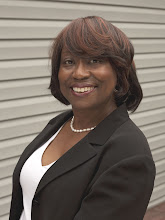
By Anna D. Banks
The economy has most of us scared. We want to retire, but feel that we can't. Housing prices are down. Tuition for your college aged children is rising faster than the surf at "Big Sur", and even the "well-healed" baby boomer is feeling the economic pinch. Overall things may not feel full of promise, but take a look at the short video and be inspired.
To read more about Douglas Goodey – The 20 Million Dollar Man Click Here
Live Fearlessly,
Anna
Showing posts with label retirement planning. Show all posts
Showing posts with label retirement planning. Show all posts
Friday, September 26, 2008
Baby Boomers: It's Never too Late for Change


Sunday, June 15, 2008
Making Tax-friendly Investments for Stress-free Retirement

By Anna D. Banks, GCDF
Nothing in life is permanent. Everything is transient. That is why we must be secured, especially in financial terms, in case things go out of control. We must be always prepared for the future and that is why good retirement financial planning is most practical for a safe and secured future. Financial planning is very crucial like life planning and it requires lot of calculative and methodical moves, like choosing a home involves lots of tax factors like state and local taxes. Retirees should carefully study the tax matters before formulating the retirement financial strategies.
Retirees who wish to continue with their work during their golden years should be aware that the state taxation income varies widely for them and some states support their earned income and provide them extra privileges. Some states consider the retirees income like everyone else’s and some impose tax on all the earned income. Sometimes the taxation amount varies a lot between states. Retirees shifting to new domicile should watch out for the municipal income taxes.
Income from military, government, private pension and other retirement plans are increasingly important sources of income for some retirees. Some states exempt incomes generated from such sources, while some exempt only selected ones. Some place taxable limits on such sources. Some states even tax former residents on retirement plan withdrawals and create a possibility of tax in two states. Some states strictly adhere to the federal tax formulas under the social security benefits and others follow their own specified formulas, while some don’t provide any reimbursements at all.
Retirees should also consider the sales and property taxes, as some states offer tax deductions on properties purchased by retired seniors while others provide homestead benefits. Retired seniors should also study the tax exemptions provided on clothing, food, drugs and household goods. US tax code generally deems the retirement age and sometimes you might face the ugly tax brunt while tapping tax favored retirement benefits. It is very complex to avoid federal income tax, but it is possible to avoid the 10% penalty provided you plan way ahead.
Opt for the IRA withdrawals
If you use the Roth IRA withdrawals then when you withdraw your contributions, they are federal income tax free and penalty free, but sometimes this could be tricky if the source of income is from the following three sources:
• Money from annual tax contribution
• Money generated by converting tradition IRA into Roth IRA
• Earnings accumulated from your contribution
Tax deductions apply to only the first two sources and withdrawal before the retirement age from the third source is usually subjected to income tax.
Advantage of penalty free exemptions
If you have not opted for Roth IRA than the best option would be to opt for income tax withdrawal. Whenever you withdraw, you would owe some amount to the income tax. If you wish to break the rules, then switch to qualified retirement exemptions like 401(k).
Annuitize the Account
This is normally the surest and safest technique to legitimize for a penalty-free retirement account withdrawal, before the retirement age of 59 years and 6 months.
© 2008 Anna D. Banks, GCDF
________
Author's Note:
Do you have any questions about career development or lifestyle changes for Baby Boomers, which you think others, like you, would want to know the answers? Email your questions to me at Anna@AnnaBanks.com.
Tuesday, May 27, 2008
Baby Boomers: Don't Let The Cash Flow Stop Even After Retirement

By Anna D. Banks, GCDF
Except for the wealthy, the basic goal for almost all retirement planning is to ensure that your assets last, and your cash flow remains steady, for as long as you live. At the end of a regularly earned salary, balancing your retirement income against your total household expenses must be the focus of all further financial planning. Due to an increasing life expectancy, keeping the cash flow going has become increasingly critical. The average American, retiring at 65, can expect to live for at least another 20 years. So, it is essential that you don’t let the cash flow stop, even after retirement. Although the details of the strategies to accomplish that would vary according to your income, your lifestyle, and state of health, there are some basic moves that will help you to live adjust your income and balance it against your expenses.
If you are about to retire, or have already taken the big leap, you must first gather and organize all of the pertinent information to help you to manage your cash flow during retirement. Gathering this information, will give you an overview of where your finances stand, as of now.
• Get the latest net-worth statement for a quick look at your total assets, debt, and cash reserves.
• Make itemized monthly and annual budgets, with details of your income as well as expenses.
• Make sure you include all expenses, including rare ones like insurance, and club membership fees, as well as what you pay for investment management.
This information should tell you if there are major problems you might have to deal with. This could be anything from lack of an emergency buffer to an income shortfall. This information may also throw up areas for improvement, like the possibility of finding additional cash by eliminating unnecessary expenses. One thing to keep in mind is that even if you make reasonable assumptions today about returns, inflation, and living costs during your retirement, all of these may change, affecting your cash flow. Monitoring your income and expenses on a regular basis can help you address these changes as they arise, preventing major glitches later. Look for developments with the potential to affect your cash flow. For example, interest rates may change, and stock markets vary, causing a change in your income from savings or investments. Adjustments may become necessary, like reducing your expenses or altering your investment mix to add alternate sources of income.
Relocation to another state may change federal, state, or local tax rates with a bearing on your cash flow. While changes in the benefits from or eligibility for Social Security and Medicare and private insurance coverage can have a huge impact on living costs, circumstances like marriage, and the increase or decrease in the number of dependents can also throw your cash flow out of whack.
Pay close attention to cash flow, make sure you budget and monitor your income and expenses, and take significant action. In addition, you need to find a way to make the most of your savings, and maximize the cash flow from your investments while maintaining your capital. Retirement should be a time of peace and contentment.
© 2008 Anna D. Banks, GCDF
________
Author's Note:
Do you have any questions about career development or lifestyle changes for Baby Boomers, which you think others, like you, would want to know the answers? Email your questions to me at Anna@AnnaBanks.com.
Thursday, May 22, 2008
Do What Many Others Failed To Do – Planning For Retirement


By Anna D. Banks, GCDF
Many people put off planning for their retirement thinking that since it is years away in the future they can wait for some more time before giving thought to it. However, by delaying it you could end up losing substantial amounts of money. This, in turn, could be the decisive factor of whether your retirement will be a comfortable one or whether you barely get by.
Planning for retirement, therefore, ought to be begun as soon as possible. By beginning early, not only will it give you more time to create a portfolio of investment that will generate a comfortable income during your retirement, but also take care of other important matters like health.
Here are a few things to keep in mind when planning for your retirement:
Set Goals
One of the first things to do is making a list of some of the goals you have for your retirement. Are you planning on traveling? Do you want to move to another place because of the climate, or to be closer to family? Or perhaps you just want to stay in the same place and pursue your interests and hobbies. Irrespective of what your goals may be, you will require money for it from an income. It is projected that baby boomers will have retired lives that will last for 30 years, and perhaps even more. Hence, you will have to make a plan that generates income for that many years. It could include taking up another career after retiring, to augment your retirement income. You can use retirement calculators to find out the amount of money you will require for your retirement.
Make a Budget
In case you have not already done so, make a budget. If you have no idea about your monthly expenditure, start jotting down every dollar you spend for two to three months in a journal. You will be able to manage your expenses better once you find out exactly what you are spending on. Payments you make toward your retirement plan should be included in your budget.
Include other Members of the Family
Talk about your plans for retirement with your spouse and other members of your family. It is likely that both you and your spouse will retire around the same time, hence both of you should be in accord about the kind of retirement you want. If both of you are working, both will be making contributions to the funds you are putting aside for your retirement. Hence by deciding together, you will create a plan that both of you will find acceptable.
Don’t Bust your Plan
Regardless of how well you plan for the financial aspect of your retirement, it will come to naught, if you use it frivolously to buy yourself luxuries that you can do without. If you are going over your budget, it is probably because you are mistaking luxuries to be necessities. Does every member of the family really require a cell phone and a pager? Do you really require another phone line, or caller ID? Small things add up, making you go over budget. While you do not have to deprive yourself, it is always better to spend your money wisely.
Aim for Health and Fitness
Age related ailments affect your healthcare costs along with your insurance premiums for your retirement. Your premiums will be substantially higher, or you could even be denied coverage, if you have any pre-existing health condition. That will hit you hard when you will require funds for healthcare the most. Hence, plan for being healthy and fit into a ripe old age by eating well and exercising regularly.
© 2008 Anna D. Banks, GCDF
ANNA D. BANKS, GCDF, is a passionate advocate for baby boomers in exploring their priorities, planning and setting goals for the next stage of their lives. Assisting her clients to attract and build a professional and personal life consistent with their values is not just a goal of Anna’s, it’s her passion. Her diverse work experience in business, education and financial services enables her to help the diverse population of baby-boomers with their life, career, and personal finance coaching needs. Anna is currently Adjunct Faculty at Essex County College, where she teaches Career Development & Management. Please place a post on www.AnnaBanks.com or email your questions to me at Anna@AnnaBanks.com.
________
Author's Note:
Do you have any questions about career development or lifestyle changes for Baby Boomers, which you think others, like you, would want to know the answers? Please place a post on www.AnnaBanks.com or email your questions to me at Anna@AnnaBanks.com.
Tuesday, May 20, 2008
Don’t Underestimate Inflation - Plan Now!!

By Anna D. Banks, GCDF
Inflation is an important aspect of retirement planning and you simply cannot afford to overlook it. Failing to consider inflation during retirement planning can lead to a financial disaster. Most of us would love to believe that life is going to be great post-retirement with fewer worries, no major responsibilities, and all the time in the world to do what you like. Unfortunately, all this will be possible only if you have saved prudently for your golden years. Inflation is inevitable and only those who plan ahead can survive the increased costs of living due to inflation after their retirement. Let us assume that you retire at the age of sixty-five with an average annual income of $60,000. However, the purchasing power of this amount would go down by almost forty to fifty percent in about twenty years. Thus, in order to maintain the same standard of living that you could enjoy for $60,000, you need to have almost double this amount to sustain the increased costs of living. Such is the effect inflation can have on your daily lives if you fail to prepare yourself in advance. With inflation rising steadily with an average growth of three percent per year since 1626, you need to ensure that your income increases with the rate of three percent every year during retirement.
Well, the good news is that with the growing number of investment options readily available in the financial market, it’s not very difficult to plan for your future. You can count on the pension plans that will automatically shield you from increased cost of living however, you need to check with your employer to know the exact amount you will receive through these plans.
Saving for the future
Start saving as early as you can, as sooner you start, you are left with longer time to invest and multiply your money. Set small, realistic goals based on your current financial needs and the amount of money you can put aside to begin your financial retirement planning.
Have you considered a 401K plan?
It’s perhaps the easiest and the best way of saving your hard earned money for your life after retirement. Also popular are the IRA plans however, you need to understand what's at stake and how such plans will benefit you before you go for any of these investment options.
Allocation of assets
How you divide your financial portfolio between bonds and stocks can have a huge impact on your financial gains in the long run. Financial experts strongly emphasize of stock investments due to the tremendous potential such investments have to render high returns over long periods of time.
Investing in a property
With remarkable tax benefits and easy finance options, property investments have emerged as an important investment vehicle. As you build equity and settle your mortgage loan, you may hardly have any monthly expenses except escrow payments on property taxes.
You may also consider consulting with a good financial expert or retirement expert who can suggest suitable investment options after assessing your income, assets, and financial liabilities. In addition, they are also the first to know about any new investment option that has newly come in the market and how it can benefit you. Having a good understanding of the financial market, they can also predict which financial companies will sustain the high fluctuations in the market and can be regarded as a safe bet.
© 2008 Anna D. Banks, GCDF
ANNA D. BANKS, GCDF, is a passionate advocate for baby boomers in exploring their priorities, planning and setting goals for the next stage of their lives. Assisting her clients to attract and build a professional and personal life consistent with their values is not just a goal of Anna’s, it’s her passion. Her diverse work experience in business, education and financial services enables her to help the diverse population of baby-boomers with their life, career, and personal finance coaching needs. Anna is currently Adjunct Faculty at Essex County College, where she teaches Career Development & Management. Please place a post on www.AnnaBanks.com or email your questions to me at Anna@AnnaBanks.com.
________
Author's Note:
Do you have any questions about career development or lifestyle changes for Baby Boomers, which you think others, like you, would want to know the answers? Please place a post on www.AnnaBanks.com or email your questions to me at Anna@AnnaBanks.com.
Sunday, April 27, 2008
Tips for Singles to Enjoy Life After Retirement

By Anna D. Banks, GCDF
In the coming years, baby boomers will be retiring in large numbers. While for many it will be a time for celebration, for others it could be a source of dread and anxiety. For singles, retirement entails losing the daily social stimulation and interaction at work. However, there are many ways singles can enjoy life after retirement. The best way is to refocus by doing something that you enjoy, which will keep you alert and active, while also perhaps bringing in some additional income.
If you are single and a retired baby boomer, here are a few tips for enjoying life after retirement:
Take Up Activities: You could take up activities that are new to you and have never tried before, or those that you have always enjoyed but never had the time for. For example, you could join painting classes or creative writing classes, if you have a creative bent of mind. Or, pursue some sporting activities like golf or tennis. Or why not pick up stimulating games like bridge or bingo? Most retirement communities have facilities where the members can pursue the sports or games of their choice. Many of them even conduct tournaments, which is a good way of keeping the spirit of competition alive.
Start Dating Again: One of the best ways to stay optimistic in life is to make new friends or even develop a new love life. While it can be fairly intimidating for many people to get back into the dating game at this stage of their lives, however, the companionship and fun are worth making that daunting leap. With the advent of online dating services, many older singles are finding it more comfortable than ever to start dating again. Most older singles find the idea of meeting prospective dating partners through the Internet easier because they can do it in a relaxed, non-threatening manner from their own homes. There are many websites that are meant especially for seniors where dating classifieds can be placed, either for free or by paying a nominal fee.
Take Up Charity Work: Look for the kind of charity work that you find suitable through charitable organizations. You could help out older people with their household chores, or deliver meals or books to them, or perhaps read to them a few times in a week. This will not only mean your getting out from the confines of your home, but also will make you feel useful and good about being of help to a needy person. Keep in mind, some day you too could need somebody’s help.
Research On Some Topic: You could take up a topic that you are interested in, research on it, put it all down in writing and create an e-book which you can sell online. Gaining knowledge keeps you mentally stimulated. The Internet is a great source of all kinds of information on practically endless topics. So, you can do it in the comfort of your home. Or, if you prefer, got to your local library and do your research from there.
Working From Home: There is really no dearth of jobs that you can do from home. You can earn money online by being an affiliate, Ebay seller, or a drop-shipper. You could take care of the homes of people away on holidays. Walking somebody’s dog, feeding other people’s pets, watering somebody’s garden, or even setting up your own library (if you have lots of books) at home are some other ways to keep yourself busy and earn some money.
The key to enjoying life as a single after retirement is to stay engaged in various activities. Studies have shown that retired singles who volunteered and worked, while also pursued other interests in life felt the most satisfied at this stage of their lives.
© 2008 Anna D. Banks, GCDF
________
Author's Note:
Do you have any questions about career development or lifestyle changes for Baby Boomers, which you think others, like you, would want to know the answers? Email your questions to me at Anna@AnnaBanks.com.
Saturday, April 26, 2008
Challenges Faced by Women After Retirement

By Anna D. Banks, GCDF
While planning for retirement is essential for everybody, it is especially imperative for women. For example, although it is a huge undertaking for everybody to save money for retirement, the challenges and obstacles faced by women are varied and unique, which need to be considered while planning for their post-retirement life.
One of the most important factors to take into consideration is that women, on an average, have longer lives than men by about six years. This means, that compared to men, they will require extra money for their retirement. According to some studies made by demographists, most baby boomer women who are approaching their retirement age are expected to live well into their nineties. This implies that women will have to prepare for emotional and financial security during a retirement that could last more than thirty years, in many cases.
Another challenging factor typically faced by many women is spending less time in the work force. Studies show that on retiring, men put in 44 years of work on an average, while women account for just 32 years. The reason being that it is women who usually take a break from their careers to have and take care of their children, and sometimes even to look after aged parents.
Interruptions in the working life of women have important consequences financially. For example, when women stop working their Social Security contributions cease, which reduces their benefit from Social Security on retiring. It has been found that while men get $1008 per month as Social Security benefit on an average, women get just $774.
Interruptions to women’s working life also results in making it harder for them to compete for raises in the salary and promotions. It is for this reason, along with others, that on average women are currently paid about 87 percent of men’s pay on an hourly basis.
According to the Women’s Institute for a Secure Retirement, women get about 50 percent less as pension compared to men. And even though they may be qualified to benefit from the pension schemes of their husband, these can decrease dramatically if the husband dies before the wife.
Besides, according to estimates made by the Securities Industry Association, as a consequence of various factors like women marrying later, increased rates of divorces and becoming widowed, women will usually spend more of their adult life being on their own financially.
Because of fewer working years and lower incomes, it is less likely for women to save for their retirement. According to surveys, compared to 65 percent of men saving for their retirement currently, only 59 percent women are doing it. This study also reveals that compared to 48 percent men who take part in retirement plans at the workplace, like 401(k), just 36 percent women do.
On top of all that, compared to men, women tend to invest more conservatively. Women, it has been found, have a lower tolerance for risk, which is why they have a tendency to invest more conservatively. Even though it may be wiser to invest more conservatively in many investment portfolios, being too conservative results in less savings and reduced investments for retirement.
Although women in America have made considerable gains socially, economically and legally in the past few decades, their working patterns and caring responsibilities still result in placing them at considerable disadvantage in the country’s system of retirement.
© 2008 Anna D. Banks, GCDF
________
Author's Note:
Do you have any questions about career development or lifestyle changes for Baby Boomers, which you think others, like you, would want to know the answers? Email your questions to me at Anna@AnnaBanks.com.
Saturday, February 16, 2008
Kohl, Smith Release Report on Expanding Opportunities for Older Workers
This is an important step toward easing the brain drain....
WASHINGTON, D.C. – Chairman Herb Kohl (D-WI) and Ranking Member Gordon H. Smith (R-OR) of the U.S. Senate Special Committee on Aging joined today in releasing the findings of the Taskforce on the Aging of the American Workforce. The taskforce was created at the request of Senators Kohl and Smith in an effort to expand opportunities for older Americans choosing to remain in the workforce, and to develop proposals to address the challenges and opportunities of an aging workforce.
“I'm glad to finally be receiving this report. Since this taskforce convened in May 2006, nearly 5 million baby boomers have reached retirement age,” said Senator Kohl. “While the report provides a broad overview of several legal and regulatory barriers, what we really need to focus on is creating innovative workplace practices and providing attractive employer benefits to facilitate the hiring and retention of older workers.”
“By 2025 labor force growth is expected to be less than a fifth of what it is today,” said Senator Smith. “The goal of the taskforce is to prevent this dramatic decline through strategies that encourage extended work life and remove barriers that hinder seniors from working longer. This report is a good first step in what must be an on-going effort to ensure the door stays open for our seniors who wish to remain an active part of the U.S. workforce.”
The interagency effort was launched in May 2006 to focus on the aging of the American workforce and the impact of this demographic change. The Taskforce on the Aging of the American Workforce was charged with two primary goals: (1) identifying strategies to enhance the ability of older Americans to remain in or re-enter the labor market and pursue self-employment opportunities; and (2) identifying strategies to enable businesses to take full advantage of this skilled labor pool.
The report presents strategies developed by the taskforce to address the most significant issues related to the aging of the American workforce. Among other suggestions, the taskforce recommends creating an interagency group to inventory the legal and regulatory barriers and disincentives to employment of older workers. The interagency will identify the pros and cons of specific approaches to addressing each barrier. The taskforce also recommends making educational resources on retirement and financial literacy available to older workers at One-Stop Career Centers and local Social Security Administration offices.
Kohl is currently working with Special Committee on Aging Ranking Member Gordon H. Smith (R-OR on a bill that would remove barriers to working longer and incentivize employers to hire older workers.
The U.S. Senate Special Committee on Aging plans to hold a hearing in the spring on what the federal government can do to engage and retain older workers. The Committee will highlight some of the federal government’s current best practices in this arena, and look to ways improvements can be made. A second bill will likely be introduced around this time to make the federal government’s current hiring practices and procedures more friendly to older workers and will focus on increasing work schedule flexibility and phased retirement options.
Last year, Chairman Kohl introduced two bills: the Older Worker Opportunity Act of 2007 (S.709) and the Health Care and Training for Older Workers Act (S.708), both of which would give older Americans the opportunity to work longer if they so choose and offer incentives to businesses for employing older workers.
The Taskforce on the Aging of the American Workforce is composed of senior representatives from nine federal agencies: the Departments of Commerce, Education, Health and Human Services, Labor, Transportation, and Treasury; the Equal Employment Opportunity Commission; Small Business Administration; and Social Security Administration. The Taskforce is chaired by Assistant Secretary of Labor for Employment and Training, Emily Stover DeRocco.
Download your copy here Aging Workforce Taskforce Report
Wednesday, September 26, 2007
Bracing for the Future

Anna D. Banks, GCDF
As far as retirement is concerned, most baby boomers on the verge of retiring are now envisioning a self-sufficient, independent lifestyle. The term ‘retirement’ means different things for different people. Some people plan on pursuing new interests, while the others just want to relax. Whatever the future holds for you, one thing is for sure – a secure retirement is the only way you can brace yourself for the future.
Take some time out to envision how you would like to spend your time on retirement and once you have established certain retirement goals, you must determine how your financial resources can be invested. Retirement planning is the only way to ensure you enjoy a comfortable retired life.
Yes, financial security is the key element of any happy retirement. How you plan on spending your retirement time is also extremely important. If you have no fixed plans for your retirement, then you might as well start thinking of alternatives for your regular work schedule. By the year 2008, most of the senior workers and baby boomers will be getting ready for retirement. So, if you happen to be heading towards retirement, here are a few ways to help you get started with your retirement plans.
Planning for your Retirement
• Make New Choices – Now is the time for you to focus on what it is that you want to do. What activities are you planning on signing up for? From education to caring for animals to handiwork and even volunteering, retirement will provide you with enough time for all such activities. Once you join in the activities, you won’t have to sit idle anymore, making your retirement less boring.
• Travel – Travel is one of the most popular activities amongst retirees today. Most airlines, restaurants, tourist attractions, hotels and car rental companies offer discounts for seniors. This is a good way to enjoy your retirement time and to make up for all those long and dreary working years.
• Whether or Not you want to Work – If you’re one of those people who prefer working even after retirement – either because you enjoy working or you need the extra income, then you could probably continue working with your current employer as a consultant or even a part-time employee. With the valuable knowledge that you’ve gained over the years, getting a good job shouldn’t be a tough prospect.
When it comes to working after retirement, keep in mind that your retirement could actually give you the perfect opportunity to turn a hobby into a business. Whatever may be your plans, if you’re planning on working after retirement, remember that there are an increasing number of baby boomers who are also working in a variety of ways ranging from second careers to part time jobs.
The additional income that you may earn in this way will go a long way in replenishing your savings and the retirement benefits that you are provided with, like social security and pension fund. As far as savings are concerned, time can be one of the best resources in helping money grow. When saving for retirement, it is advisable to consider your retirement goals first, the number of years left for you to retire, the tax implications and your tolerance for risk.
© 2007 Anna D. Banks, GCDF
________
Author's Note:
Do you have any questions about career development or lifestyle changes for Baby Boomers, which you think others, like you, would want to know the answers? Please email your questions to Anna@AnnaBanks.com or post a message on this blog?
Subscribe to:
Posts (Atom)

 Posts
Posts